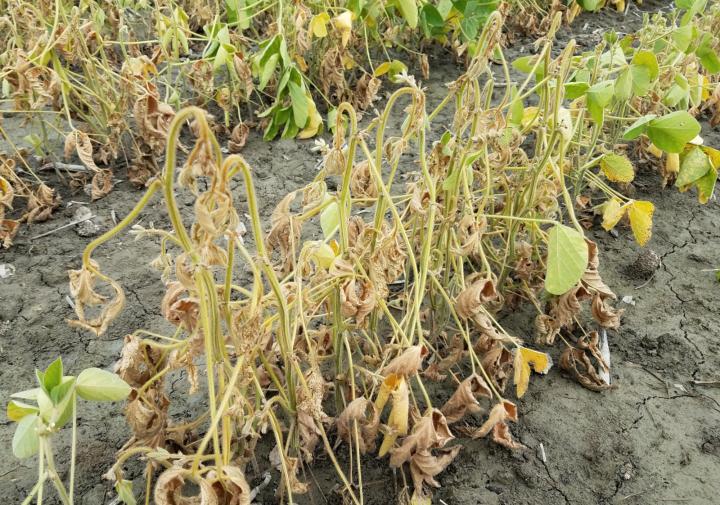
A soilborne vascular wilt caused by host-specific formae speciales of Fusarium oxysporum. The pathogen colonises xylem tissue, blocking water and nutrient transport and causing progressive yellowing, wilting and death. Infected soil can remain infested for many years.
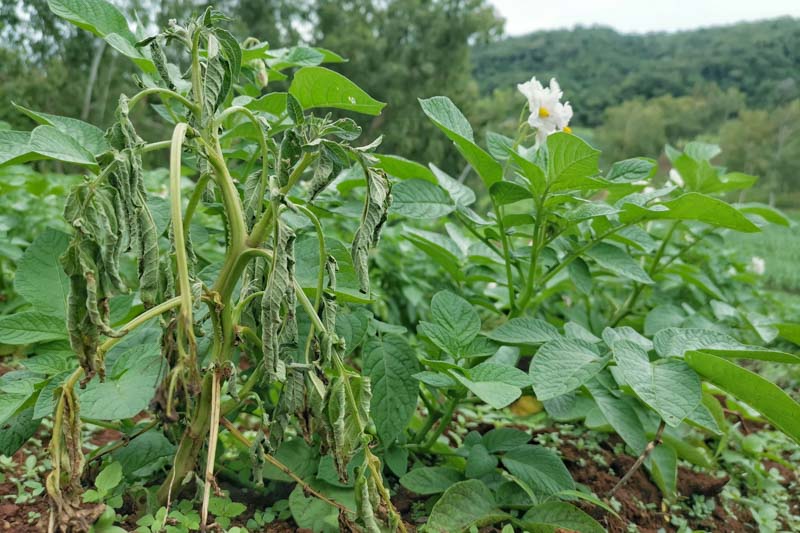
One of the most destructive soilborne bacterial diseases worldwide, causing rapid wilting of solanaceous crops. Ralstonia solanacearum invades through roots and spreads through the vascular system; infected plants may collapse within days under hot, humid conditions. No curative treatment exists once plants are infected.
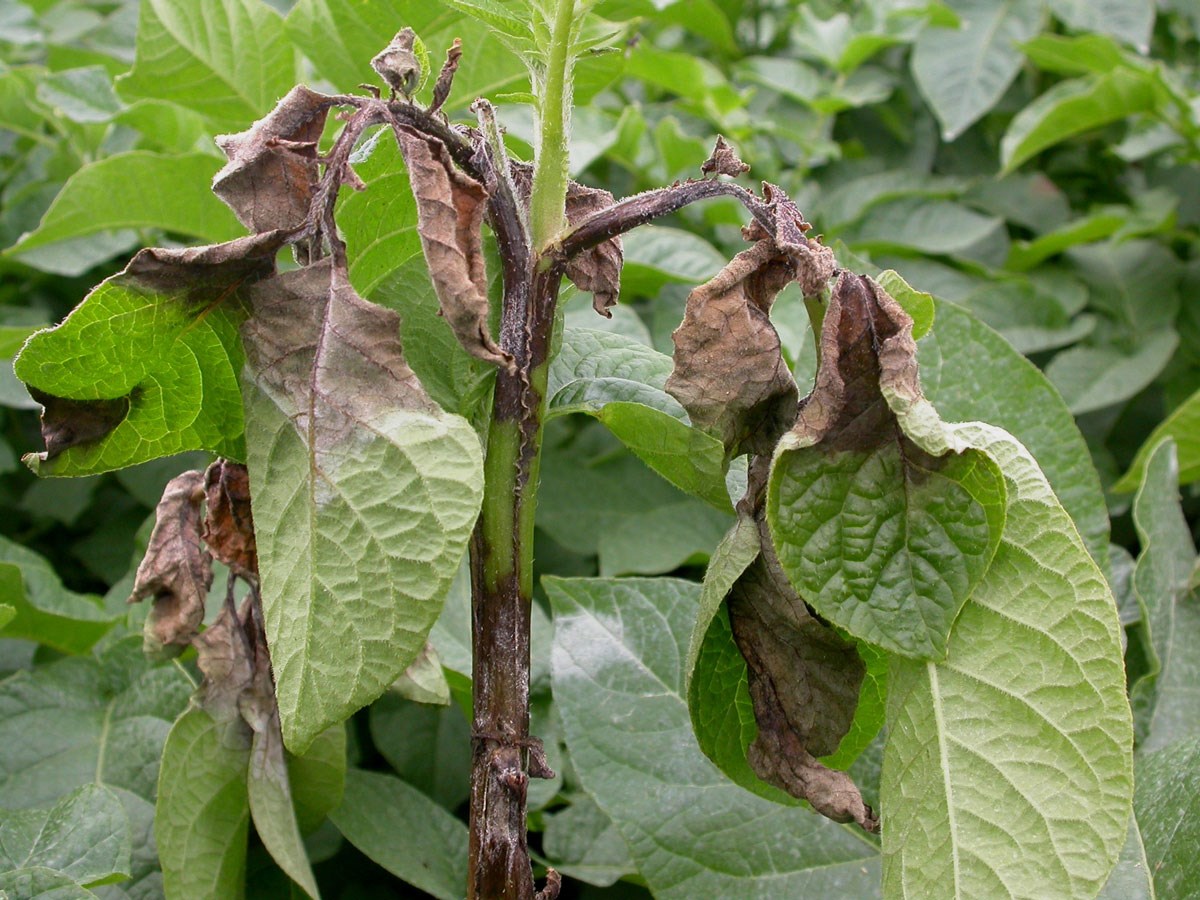
The oomycete pathogen responsible for the 19th-century Irish Famine remains one of the most economically damaging diseases of tomato and potato globally. Sporangia spread rapidly in cool, wet conditions; entire fields can be destroyed within 10–14 days when the disease is not controlled.
More Diseases Being Added
Profiles for Powdery Mildew, Downy Mildew, Anthracnose, Early Blight, Botrytis Grey Mould, Black Sigatoka, Root Rot and additional soilborne diseases are in development. Contact our agronomist team for guidance on any disease not yet listed.